The New Balance 990 series has long served as a benchmark in the world of premium footwear, balancing heritage aesthetics with performance-oriented design. With each numbered iteration, the brand introduces refinements that respect the lineage while adapting to evolving expectations. The release of the 990v6 continues this approach, presenting a revised silhouette and a new cushioning system that departs from previous generations. This article examines the key differences between the 990v6 and its predecessors, focusing on design, materials, comfort, and cost. The aim is to provide a detailed overview that helps readers understand what has changed and how these modifications might align with individual preferences and usage contexts.
The 990v6 arrives at a time when the sneaker market is increasingly attentive to both style and function. Unlike earlier models that retained a largely consistent profile, the v6 introduces a more contemporary look while preserving the recognisable 990 DNA. Notable updates include a shift in midsole technology and a reworked upper construction. In the following sections, we break down each aspect of the shoe to offer a thorough comparison with the previous versions, particularly the 990v5 and 990v4. It is worth noting that any assessment of value depends on personal priorities, usage patterns, and expectations — the following analysis is intended to inform, not to prescribe a decision.
Design Evolution
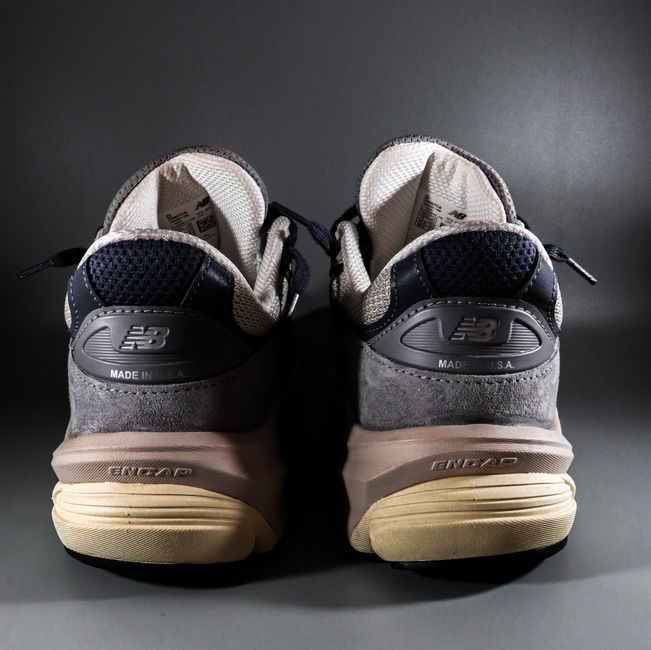
The visual identity of the 990v6 marks the most noticeable departure from its predecessors. While the 990v5 and earlier models featured a layered mesh and suede construction with a prominent vamp and collar, the v6 adopts a sleeker, more integrated upper. The toe box is slightly elongated, and the heel area is streamlined. The use of mesh has been updated to a more flexible, open-weave material that wraps the foot more closely. Suede panels remain, but they are positioned differently, with a larger suede heel cup and reduced overlays around the laces.
These design changes are not merely cosmetic. The shift in panel placement and material selection can affect how the shoe breathes and conforms to the foot over time. The 990v6 also introduces a more pronounced collar padding, which some users may find provides a plusher feel around the ankle. Compared to the 990v5, the v6 appears lower to the ground visually, though the actual stack height is similar in the forefoot. Overall, the design direction leans toward a modern lifestyle silhouette while retaining the functional roots of the series.
Cushioning Update
Perhaps the most substantial technical change in the 990v6 is the cushioning platform. Previous models in the 990 line utilised a combination of ENCAP and ABZORB technologies, with a polyurethane heel wedge and foam midsole. The 990v6 replaces this system with FuelCell foam throughout the entire midsole. FuelCell is a nitrogen-infused EVA blend that is commonly found in New Balance performance running shoes. In the context of the 990v6, this change means that the midsole is now entirely constructed from a single foam compound, without the visible encased heel unit of earlier versions.
From a functional standpoint, FuelCell is designed to offer a softer initial feel with a responsive return upon compression. Users transitioning from a 990v5 may notice a more plush step-in feel and a greater degree of energy return during walking or light activity. However, the actual experience varies depending on body weight, gait, and walking surface. Some individuals who prefer a firmer, more stable platform may find the v6 less supportive than the v5, especially in the heel area. The absence of a structured encasement also alters the shoe’s lateral stability. It is important to recognise that cushioning preferences are highly subjective, and the new foam may not suit every foot or every use case.
Fit and Upper Construction
The fit of the 990v6 diverges from previous models in several ways. The upper now uses a combination of engineered mesh and synthetic suede, with fewer traditional seams. This construction can allow for a more adaptive fit, particularly in the midfoot area. The lacing system has been modified to include more eyelets, which offers additional adjustability for those with narrow or wide feet. However, the lack of a structured heel counter may lead to a slightly looser feel around the heel for some wearers.
When comparing the 990v6 to the 990v5, the overall volume of the shoe is slightly reduced. The toebox is less boxy and slopes more gently toward the toes. This may benefit those who prefer a snugger, more athletic fit, but could feel restrictive for individuals with a higher instep or broader forefoot. The tongue is now partially gusseted, which helps prevent movement during wear. In terms of width, the v6 is offered in standard and wide sizes, though the availability may vary by retailer. As with any footwear change, trying the shoe on in person or consulting size guides can provide a more accurate sense of fit.
Price Comparison and Considerations
The retail price of the 990v6 is higher than that of the 990v5 at launch. This increase reflects not only the new midsole technology but also changes in manufacturing processes and material sourcing. For context, the 990v5 was positioned at a premium price point, and the v6 moves upward by a modest margin. Whether this additional cost represents added value depends on what a wearer prioritises in a shoe.
From a cost perspective, the 990v6 uses a single foam formulation that may simplify production, but the FuelCell material itself carries a higher per-unit cost compared to the ENCAP system. The redesigned upper also requires different assembly techniques, which can affect labour expenses. For consumers who already own a 990v5 in good condition, the upgrade might be less compelling if the primary use is casual wear. On the other hand, those who place a high value on modern cushioning feel or a more contemporary silhouette may find the price difference justifiable. It is also worth noting that the 990v5 remains available in some channels, often at a reduced price, which offers an alternative for those who prefer the previous design and ride.
Context for Potential Upgraders
Deciding whether to move from an earlier 990 model to the v6 involves weighing a number of factors beyond technology and aesthetics. Usage context plays a significant role. For daily walking or standing, the softer FuelCell midsole may reduce perceived fatigue over long hours, but this is not a guarantee and depends on individual biomechanics. For those who appreciate the classic 990 look and the structured feel of ENCAP, the v6 may feel less familiar. The long-term durability of the FuelCell foam is still being established, as it has been used in other New Balance models with mixed reports regarding compression set over time.
Additionally, the resale market and availability of replacement parts (such as insoles or outsoles) may differ between generations. The 990v6 uses a modified outsole pattern with separate rubber pods, which could affect traction on certain surfaces. For runners or athletes, the 990v6 is not marketed as a performance running shoe, so its suitability for high-impact activities should be evaluated with caution. Ultimately, the decision rests on an individual’s priorities, budget, and willingness to adapt to a new fit and feel. Comparing the v6 side-by-side with the v5 in person can offer the clearest insight into whether the changes align with personal expectations.