How to Store Sneakers to Prevent Yellowing and Creasing Over Time
The longevity of a sneaker collection depends on more than just careful wear. Over time, factors such as exposure to light, humidity, and improper support can lead to unwanted yellowing and creasing that diminish both appearance and value. Understanding how these processes occur and what steps can be taken during storage offers a practical path toward preserving sneakers in near-original condition.
Storage is not simply about placing sneakers on a shelf. It involves a combination of environmental control, structural support, and regular rotation that together slow the natural aging of materials. While no method can entirely stop the effects of time, consistent application of certain techniques can noticeably reduce the rate of degradation. This article examines the core principles behind sneaker preservation, focusing on methods that are accessible and grounded in material science.
The following sections outline specific approaches—from using shoe trees to managing humidity with silica gel packs—that collectors and enthusiasts may incorporate into their own care routines. Each technique is presented as a process-oriented option rather than a guaranteed solution, acknowledging that results depend on numerous variables including initial material quality and storage environment.
Understanding Why Sneakers Yellow and Crease
Yellowing typically occurs as a result of oxidation, a chemical reaction between certain sneaker materials and oxygen in the air. This process is accelerated by exposure to ultraviolet light, heat, and fluctuating humidity. Materials like polyurethane midsoles, rubber outsoles, and translucent outsoles are particularly susceptible. Over time, these compounds break down and discolor, often starting with a faint beige tone that deepens into yellow or amber shades.
Creasing, on the other hand, is primarily a mechanical phenomenon. When a sneaker is worn, the upper material—whether leather, synthetic, or textile—bends repeatedly in the toe box area. This repeated flexion causes permanent creases that can become more pronounced if the sneaker is stored under pressure or in a position that forces the material to remain folded. Moisture trapped inside the shoe can also soften fibers, making creases deeper and more difficult to remove.
Both yellowing and creasing are influenced by how sneakers are handled when not in use. A storage approach that controls light, stabilizes humidity, and provides internal support can mitigate the progression of these issues. Recognizing the underlying causes helps in selecting appropriate preventive measures.
Using Shoe Trees to Maintain Shape and Reduce Creasing
Shoe trees are a widely recommended tool for preserving sneaker structure. These inserts, typically made from cedar or plastic, are placed inside the sneaker after wear to stretch the material gently and absorb moisture. Cedar shoe trees offer the added benefit of natural odor control and can help regulate humidity within the shoe environment.
For best results, shoe trees should be inserted while the sneaker is still slightly warm from wear, as this allows the material to cool in a stretched position. The tree should fit snugly but not force the shoe out of shape. In leather sneakers, consistent use of shoe trees can significantly reduce the formation of deep creases by distributing tension across the upper more evenly. For synthetic materials, the effect may be less pronounced but still beneficial for maintaining volume.
It is important to note that shoe trees do not eliminate creases that are already set; rather, they help prevent new creases from becoming permanent. Pairing shoe trees with a regular cleaning routine that removes surface dirt and oils further supports material flexibility and longevity.
Controlling Humidity with Silica Gel Packs and Environmental Adjustments
Excess moisture accelerates oxidation and promotes mold growth, both of which contribute to yellowing and material deterioration. Silica gel packs are an effective humidity control solution because they absorb ambient moisture without releasing chemicals that could damage sneakers. Placing a few silica gel packs inside each sneaker or within a storage box can help maintain a dry interior environment.
Silica gel packs should be replaced periodically, as they become saturated over time. Some packs include color indicators that change when moisture absorption capacity is reached, making it easy to monitor their effectiveness. For long-term storage, storing sneakers in a climate-controlled room with relative humidity between 40% and 50% can further reduce oxidative stress.
Avoid storing sneakers in basements, attics, or garages where temperature and humidity fluctuate widely. Even within a bedroom closet, placing sneakers away from heating vents or direct sunlight helps create a more stable microclimate. Combining silica gel packs with a hygrometer allows collectors to track conditions and adjust storage as needed.
Implementing a Rotation Schedule to Minimize Cumulative Wear
Rotation is a simple but often overlooked strategy. By allowing sneakers to rest between wears, the materials have time to recover from compression and moisture absorption. A typical rotation involves wearing a different pair every one to three days, depending on activity level and climate. For collectors with extensive collections, a rotation schedule can be planned around the week or month to ensure even wear across multiple pairs.
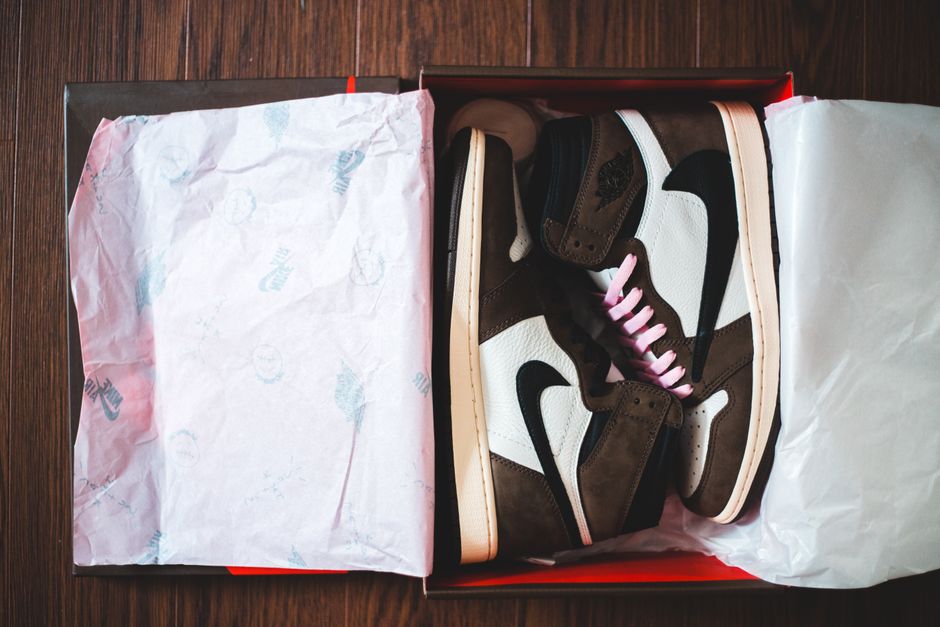
When sneakers are not in rotation, they should be stored in a way that supports their shape and environment. This includes using shoe trees, placing silica gel packs, and keeping them in boxes or dust bags that block light. Light exposure, particularly UV radiation, is a major contributor to yellowing. Storing sneakers in opaque containers or in a closet with UV-filtering window film can significantly slow discoloration.
Rotation also helps manage creasing because no single pair experiences continuous stress. The longer a sneaker rests, the more the materials can reset to their original form. While rest alone cannot reverse existing creases, it limits the progression of new ones and extends the overall lifespan of the shoe.
Preparing Sneakers for Long-Term Storage
Collectors who store sneakers for periods of months or years must take additional precautions. Before storage, each pair should be cleaned thoroughly to remove dirt, sweat, and oils that can accelerate chemical reactions. Mild soap and water or a dedicated sneaker cleaner can be used, followed by complete air drying in a shaded, well-ventilated area.
After cleaning, stuffing the interior with acid-free tissue paper or a shoe tree helps maintain shape. Silica gel packs should be placed inside each sneaker before sealing the box or bag. Vacuum-sealed storage bags are sometimes used for rare pairs, but they must be used with caution because complete lack of airflow can trap moisture. If using sealed bags, include a silica gel pack and check periodically for condensation.
The storage location itself should be cool, dark, and dry. Avoid stacking heavy boxes on top of each other, as pressure can distort sneaker shapes over time. For display purposes, consider using UV-protective acrylic cases rather than leaving sneakers exposed on open shelves. These measures help create an environment where chemical and physical degradation proceeds at a much slower pace.
While no storage method can guarantee that sneakers will remain untouched by time, combining shoe trees, silica gel packs, rotation, and environmental control offers a practical framework for preserving both form and color. The effectiveness of these techniques depends on consistent application and an understanding that each sneaker material responds differently.
Evaluating Materials and Choosing Storage Approaches Accordingly
Different sneaker materials react uniquely to storage conditions. Leather sneakers benefit most from shoe trees because the material maintains its shape well and responds to stretching. Leather also requires moderate humidity—too dry can cause cracking, while too damp encourages mold and yellowing. Applying a leather conditioner before storage can help preserve suppleness, but only after thorough cleaning.
Synthetic and mesh sneakers are less prone to creasing but more vulnerable to yellowing due to chemical breakdown in adhesives and glazing compounds. For these materials, minimizing light exposure is particularly critical. Silica gel packs and UV-resistant storage boxes are especially useful for synthetic sneakers, as they address the primary risk factors of oxidation and light damage.
Canvas and fabric sneakers are highly breathable, which means they dry quickly but also absorb odors and stains more readily. Storing them in breathable dust bags rather than sealed plastic allows airflow while protecting from dust. For all material types, the general principle remains the same: reduce exposure to the three main accelerants—light, moisture, and heat.
Adapting storage methods to the specific composition of each sneaker maximizes the potential for long-term preservation. A one-size-fits-all approach may overlook nuances that matter, especially for older or vintage pairs where materials have already begun to age.